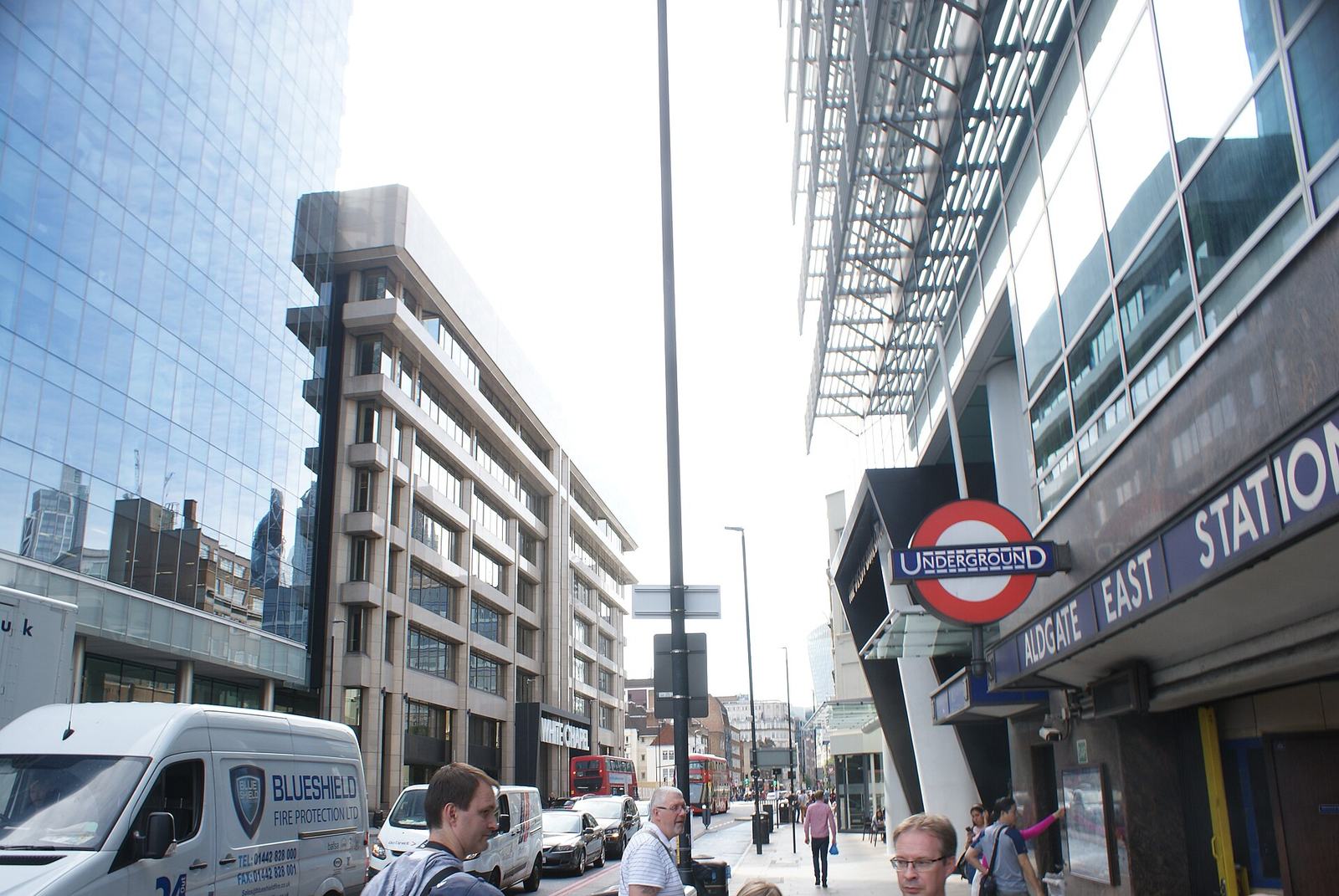
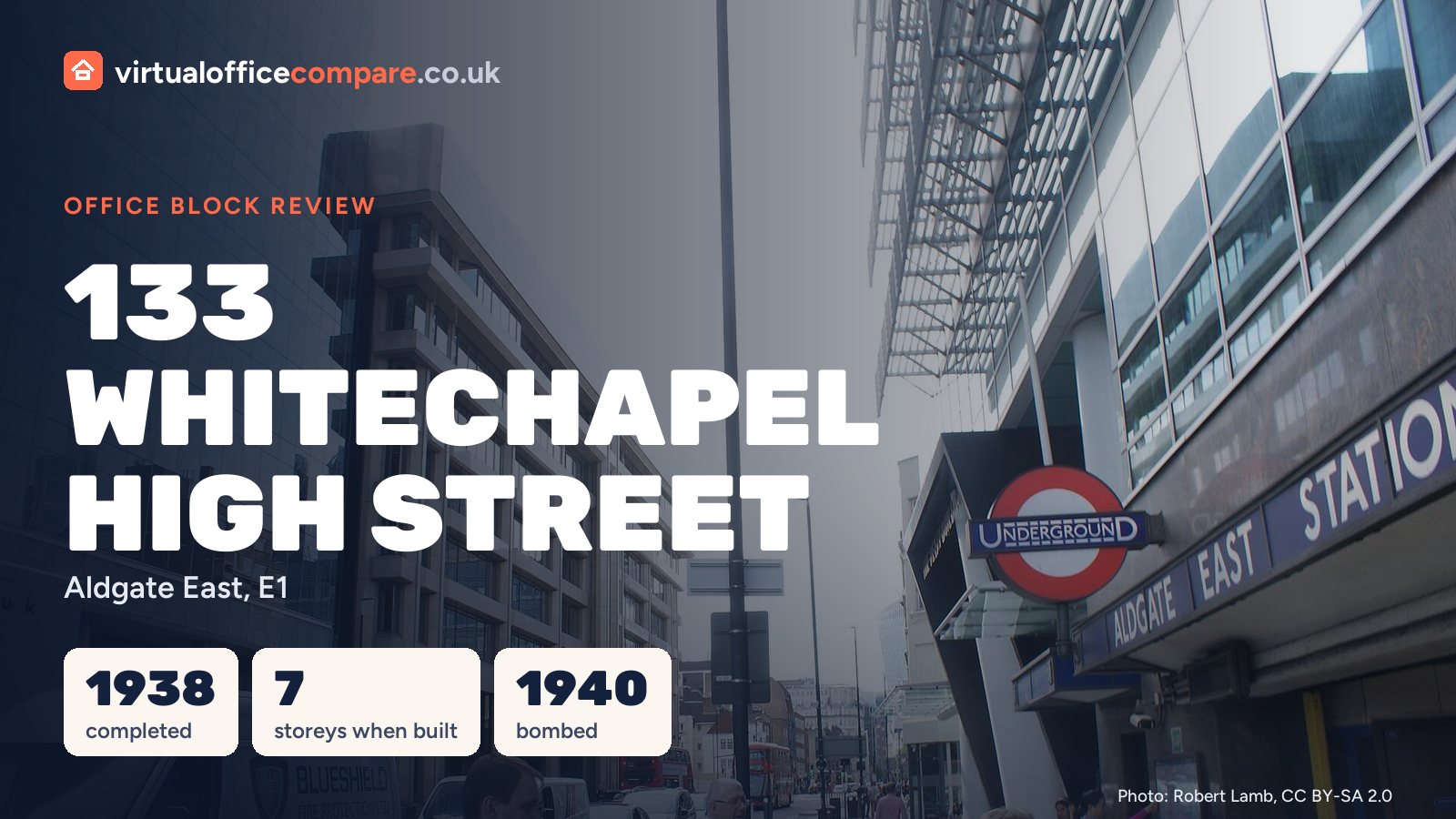
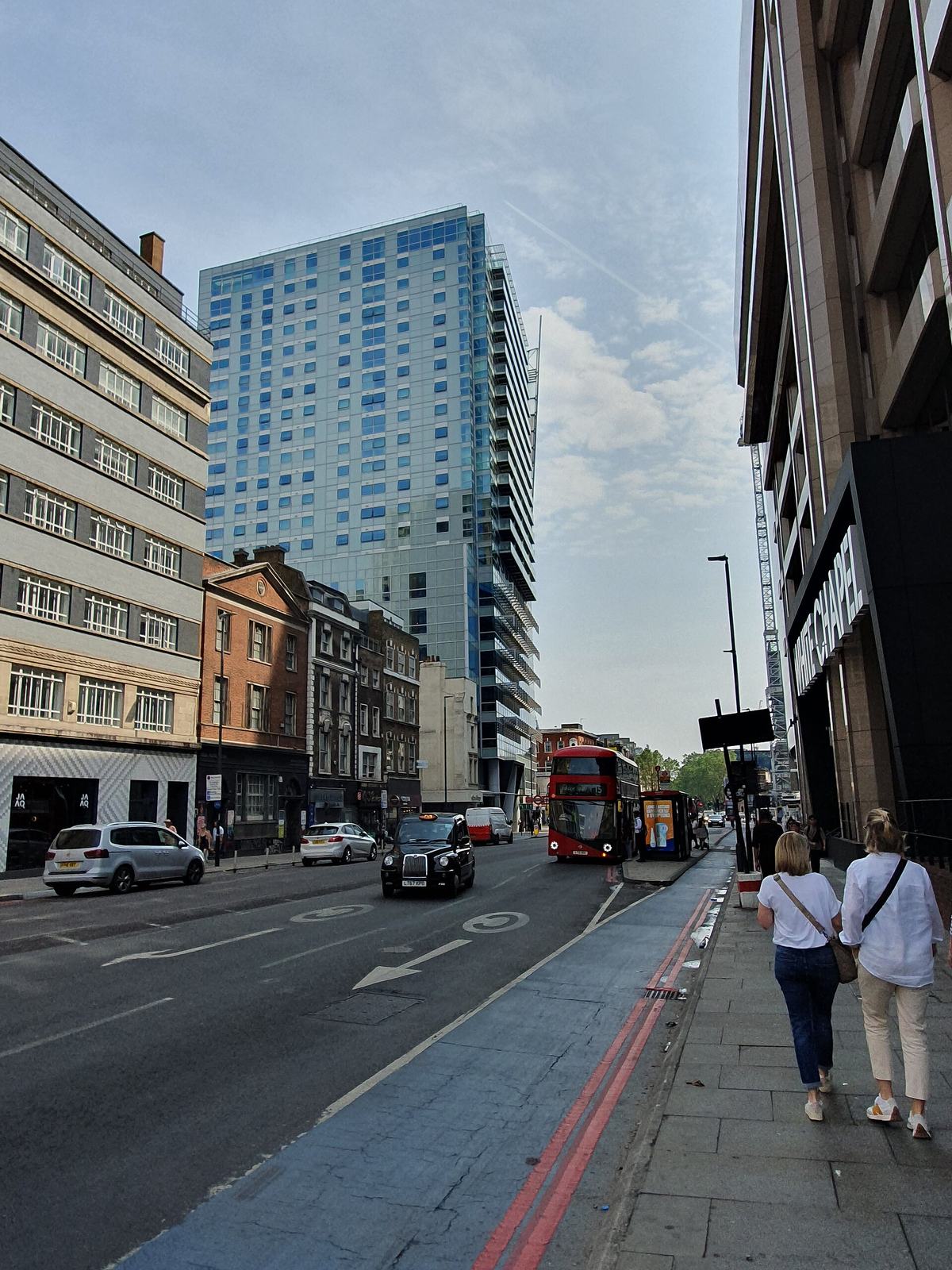
133 Whitechapel High Street is the 1930s corner block where Goulston Street meets Whitechapel High Street, two minutes from Aldgate East station. It was built as Cardigan House for a Leeds tailoring firm, was cut down by a bomb in 1940, spent years as Oceanair House and later as part of a university, and has been flexible workspace since the mid-2010s. Fora runs it today.
This review tells that story, sets out what is inside and who is registered there, and explains what it costs to use 133 Whitechapel High Street as a business address without renting a desk.
Quick answer: Fora sells a virtual office address at 133 Whitechapel High Street. Its page for the building prices Fora Virtual from £85 a month per business, the same as the average it quotes across its buildings. That includes registering your business at the address and post handling. Call forwarding, day passes and meeting rooms cost extra, and Fora does not state the contract term, the notice period or whether VAT is included.
133 Whitechapel High Street at a glance
| Address | 133 Whitechapel High Street, London E1 7QA |
| Earlier names | Cardigan House, then Oceanair House |
| Built | 1937 to 1938, in reinforced concrete, by the London Ferro-Concrete Co. |
| Built for | Cardigan Estates of Leeds, the property arm of Prices Tailors |
| Architect | Philip S. B. Nicolle, the company’s architect |
| Height | Seven storeys when built, with the top floor set back behind a roof terrace |
| Refurbishment | Morrow + Lorraine Architects, for The Office Group, by 2016 |
| Operator | Fora, formerly The Office Group |
| Meeting rooms | 4, for 1 to 18 people, from £40 an hour |
| Nearest station | Aldgate East, two minutes’ walk according to Fora |
What is the history of 133 Whitechapel High Street?
Before the present building, this corner was a row of older premises. Merry & Co., wholesale cheesemongers, built a four-storey house and warehouse at numbers 133 and 134 in 1842 and 1843, and the provision merchants who followed them bought and demolished two neighbours in 1885. Numbers 138 and 139 had already gone in 1883, when Goulston Street was widened.
The block you see now went up in 1937 and 1938 for Cardigan Estates of Leeds, a subsidiary of Prices Tailors. That firm bought and rebuilt high-street sites all over England in the 1930s to house its shops, which traded as the Fifty Shilling Tailors. Its architect, Philip S. B. Nicolle, gave Whitechapel a reinforced concrete building with Crittall metal windows, Portland stone on the first floor and pinky-brown brick above. At seven storeys, with the top floor set back behind a roof terrace, it "towered over the High Street", in the words of the Survey of London, which calls it "atypical for Whitechapel, a tentatively snazzy deco-moderne shop and offices".
It stood complete for barely two years. A high-explosive bomb on 9 September 1940 damaged it so badly that it was reduced to three and four floors. When Henry Price retired in 1954, John Collier Ltd took over the Fifty Shilling Tailors, and it restored the building to its full height in about 1955. Collier’s shop stayed until about 1992.
Upstairs, the offices were let mainly to clothing trade firms. They were known as Cardigan House until at least 1959 and had become Oceanair House by 1967, when the tenants included the Merchant Navy and Airline Officers’ Association and the London Board for Shechita. By 1994 the upper floors were offices and the student union of London Guildhall University, which became London Metropolitan University in 2002 and stayed until 2010. Part of the ground floor was a pub, the Aldgate Exchange, from 1997 until early 2014.
CBRE Global Investors bought the building in 2013. It was renovated to designs by Morrow + Lorraine and let, shop included, to The Office Group. The Architects’ Journal dated its study of the project to 2016.
Who works in 133 Whitechapel High Street?
Fora runs the whole building, and its members change, so there is no fixed tenant list. Apart from Fora, the name below is a company that gives the building as its registered office at Companies House.
- ForaFlexible workspace operator, formerly The Office Group, that runs the whole building, with four meeting rooms, a gym, two terraces and the Fora Virtual address service.
- CoinJar UKCryptocurrency exchange. CoinJar UK Limited gives 133 Whitechapel High Street as its registered office.
Seen a company registered at 133 Whitechapel High Street? On 18 November 2026 Companies House listed 26 active companies at the postcode E1 7QA, all at this building, and eight of the addresses named Fora. Some give an office number, such as Office 402, which points to a company with its own room; others give only the street address, which could be a member or a Fora Virtual customer. Either way, a registered office shows where a company receives official post, not necessarily where its people work.
What is inside 133 Whitechapel High Street?
The refit was deliberately light. The Architects’ Journal describes a retrofit inspired by Art Deco Miami, and the fit-out contractor, Parkeray, lists what was done across 31,000 sq ft: wood block floors restored, office fronts made from polycarbonate panels, a new reception, tea points and breakout areas on every level, and a roof garden with a terrace.
Fora describes the result as "a restored art-deco workspace with rooftop terrace". It lists a gym, secure bike storage, showers, a counter for snacks and drinks, focus booths and stand-up desks, and two outdoor terraces, one of them on the roof. There are four meeting rooms, for 1 to 18 people, from £40 an hour, the lowest room rate of the Fora buildings we have reviewed.
Can you walk into 133 Whitechapel High Street?
Not without a reason to be there. The building is for Fora’s members and their booked guests, and a Fora Virtual member who wants to work in it buys a day pass to a coworking area for £45.
Access is the weak point of an old building. Fora’s note says it is only "partly accessible" and "not accessible via main entrance", and asks you to call for details. It also says parking is available 100 metres away. If you or a client need step-free access, speak to the building team before you arrange a meeting.
How much is a virtual office at 133 Whitechapel High Street?
Virtual office at 133 Whitechapel High Street: who sells it and what it costs

- Registered office
- All business post
- Flexible terms (no minimum stated)
Post handling and company registration included. 4 meeting rooms from £40 an hour; call forwarding and £45 day passes cost extra.
Prices from each provider’s website, checked 18 November 2026.
Fora’s page for the building shows Fora Virtual from £85 a month per business. That matches the average Fora quotes across all its buildings and is less than half what it asks at its most prominent addresses. The price covers the right to register your business at the address and post handling, which Fora describes as its on-site team receiving your post and parcels.
The extras are call forwarding, at a monthly price Fora does not publish, day passes at £45 and meeting rooms, on which members get a discount. Fora’s own questions and answers add a condition: Fora Virtual members can book meeting rooms only if they pay for the membership by direct debit.
As at Fora’s other buildings, several things are not stated: the minimum term, the notice period, whether the price includes VAT, what identity documents are needed, and whether post can be scanned or forwarded and at what cost. The building page says only "Flexible terms". Get the answers in writing.
What should you check before using 133 Whitechapel High Street as your business address?
Start with what you need the address to do. Fora says you can register your business here, so it can serve as the registered office that Companies House and HMRC write to; our guide to what a registered office address is explains the obligations. Directors have a separate entry on the register, and Fora’s pages do not say whether they can use the address for that. Our guide to the director’s service address explains why it matters if you want your home kept private.
Then think about how the address reads. Fora files this building under both "The City" and "Shoreditch & Spitalfields", but the postcode is E1 and the street is Whitechapel High Street. That suits a design studio or a start-up well. If your customers expect an EC postcode, it may not be the right fit, however close the City boundary is.
Post comes next. Fora’s team receives letters and parcels, but its pages do not say whether it scans, forwards or simply holds them, or what that costs. Our guide to how mail works at a virtual office lists the questions to ask before you rely on it.
You will have to prove who you are. Address providers must check their customers, and directors must now verify their identity with Companies House too, which our guide to Companies House identity verification walks through. If you want to meet clients in the building, remember the direct debit rule and the limited step-free access, and read our guide on meeting clients at a virtual office. Do not plan on a Google Maps listing here: our guide to Google Business Profile rules for virtual offices explains why an unstaffed address does not qualify.
Finally, add up the year: twelve months at the advertised price, VAT if Fora confirms it applies, and whatever you expect to spend on call forwarding, day passes and rooms. Our guide to how much a virtual office costs in total shows what those extras usually come to.
Is a 133 Whitechapel High Street address worth it?
Worth it if
- You want a Fora address at the lower end of its prices, in a building with a gym, two terraces and four meeting rooms.
- You run a creative or technology business, because Fora pitches the building at start-ups on the edge of Shoreditch and the City.
- You like a building with character, as this is a 1930s deco block that the Survey of London singles out as unusual for the street.
- You will book rooms now and then, since the hourly rate here is the lowest of the Fora buildings we have reviewed.
Think twice if
- You or your visitors need step-free access, because Fora says the building is only partly accessible and not through the main entrance.
- You want an EC postcode on your letterhead, as the address is in E1.
- You only need a registered office, because a basic service elsewhere costs a fraction of this.
- You want published terms, since the contract length, notice period and VAT basis are not on Fora’s pages.
For the lowest prices, see our guide to the cheapest virtual offices in the UK.
What is the area around 133 Whitechapel High Street like?
The building stands on the north side of the High Street, on the corner of Goulston Street. That street began in the 1680s on the line of a narrow passage called Boar’s Head Alley, and the block between it and Old Castle Street still holds five buildings of very different ages, from the late eighteenth century to the 1950s.
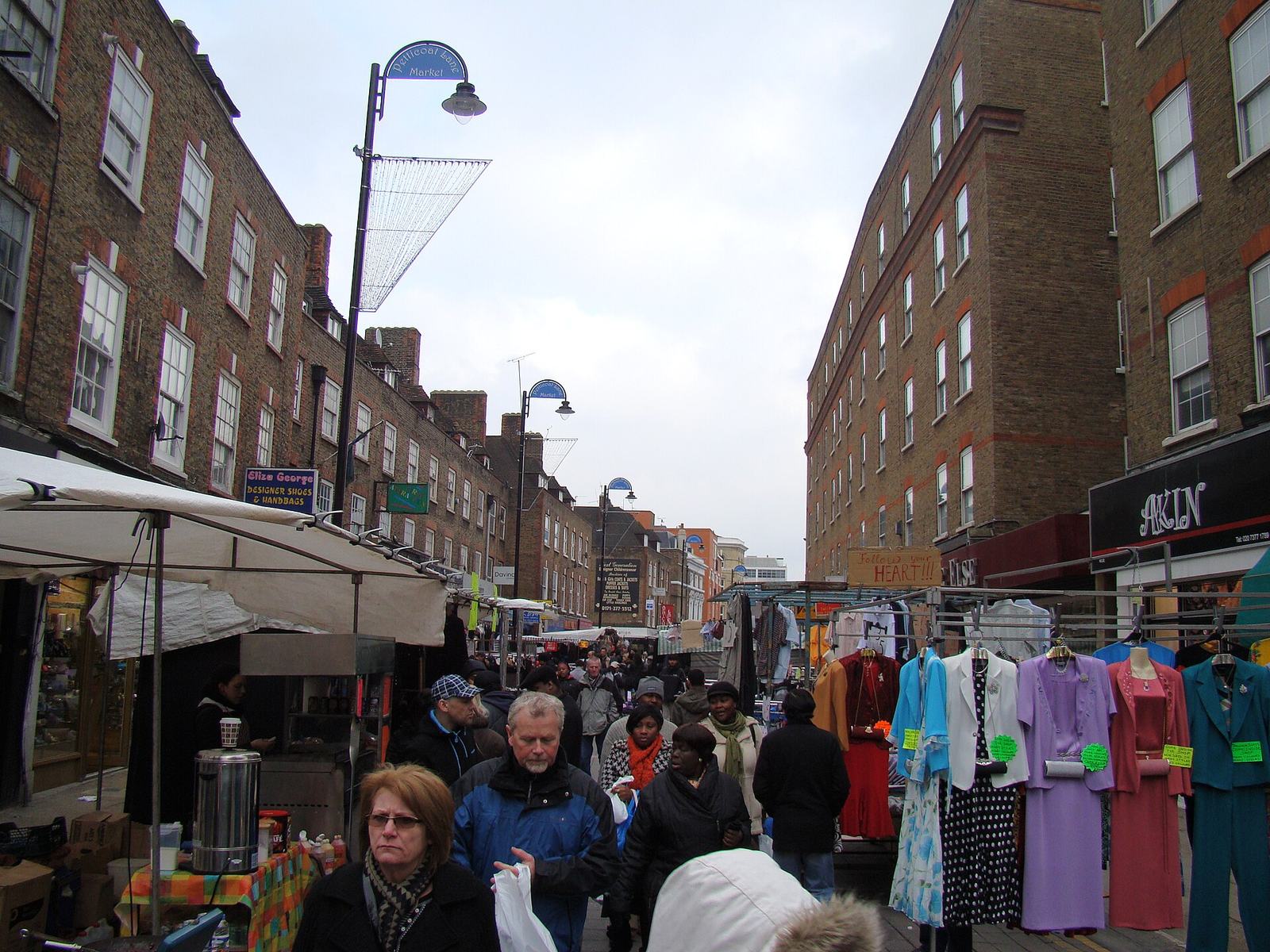
Petticoat Lane Market is close by. It is really two street markets side by side: Wentworth Street, which trades six days a week, and Middlesex Street, which opens on Sundays only.
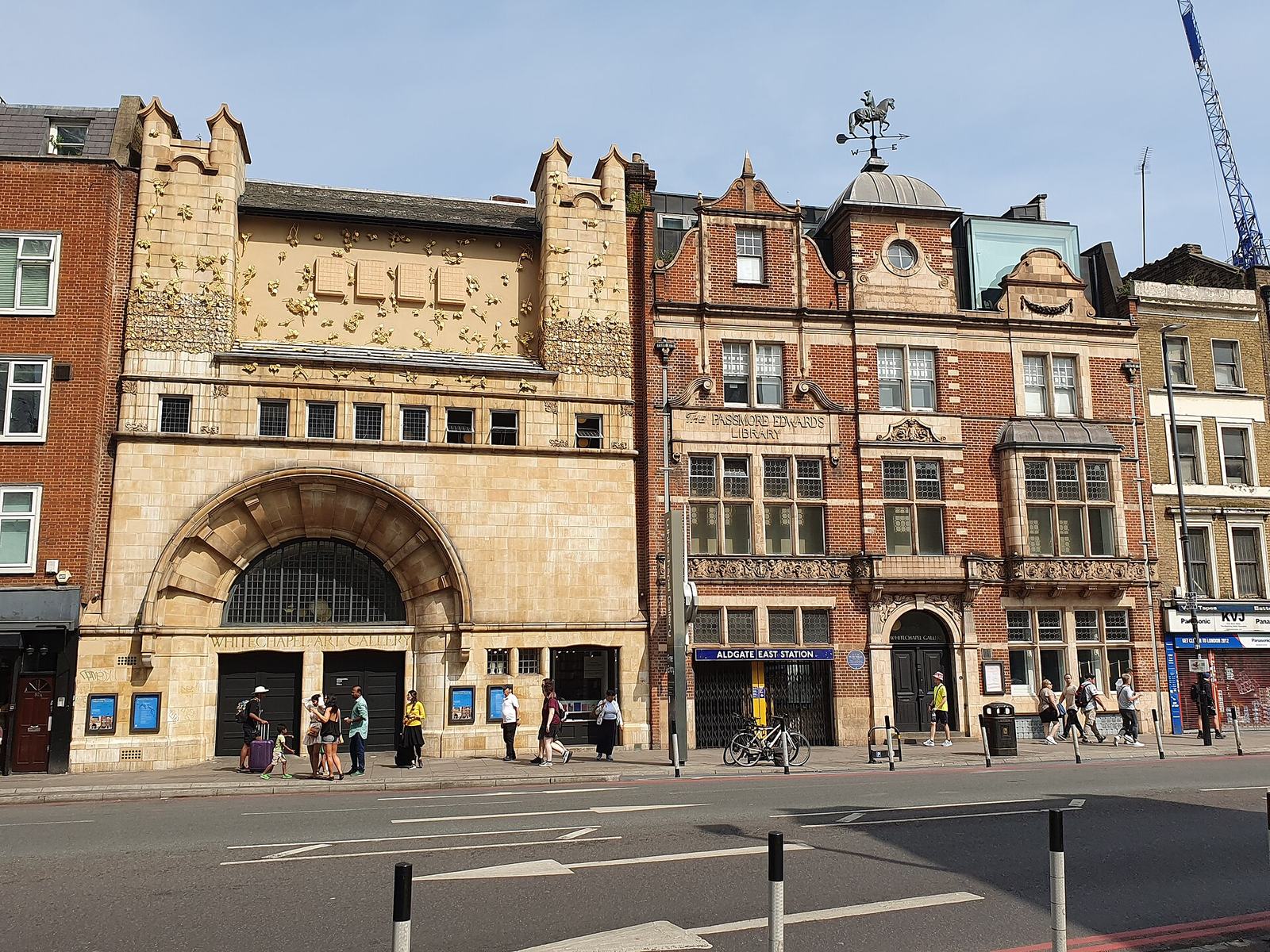
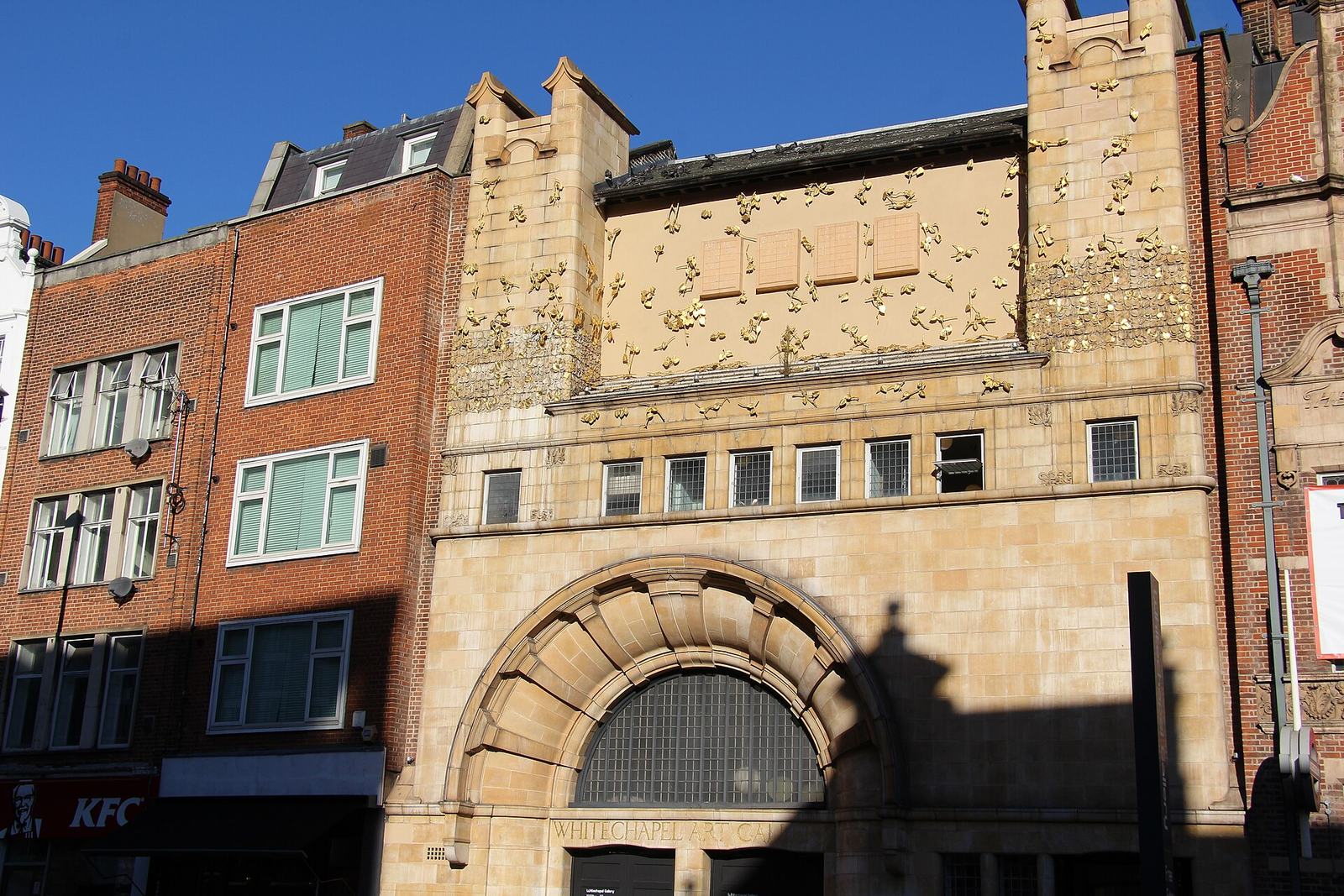
Further along the same side of the High Street is the Whitechapel Gallery, which opened in 1901 in a building by Charles Harrison Townsend and doubled in size in 2009 when it took over the former library next door. Aldgate East station’s north-eastern entrance is beside it.
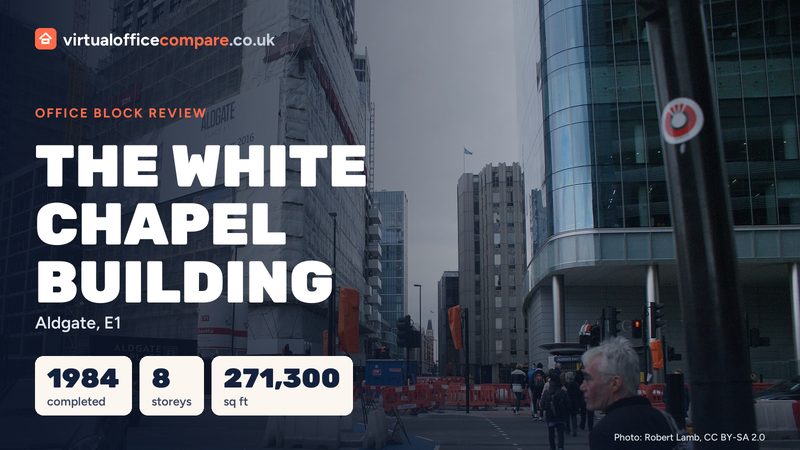
Toynbee Hall, the charity founded in 1884 as the first university settlement, is on Commercial Street nearby. Across the High Street, on the south side, is The White Chapel Building, the 1980s office block that Derwent London refurbished, where the Government Digital Service has its address.
Every provider near 133 Whitechapel High Street is listed in Whitechapel trading addresses and their prices, with plan prices checked on the providers' own websites and the extras spelled out, from registered office use to mail forwarding and scanning.
How do you get to 133 Whitechapel High Street?
Aldgate East, on the District and Hammersmith & City lines, is two minutes’ walk away according to Fora. Aldgate, on the Circle and Metropolitan lines, is three minutes away, and Fenchurch Street, for c2c trains, is seven.
Fora says parking is available about 100 metres from the building and asks drivers to call for details.
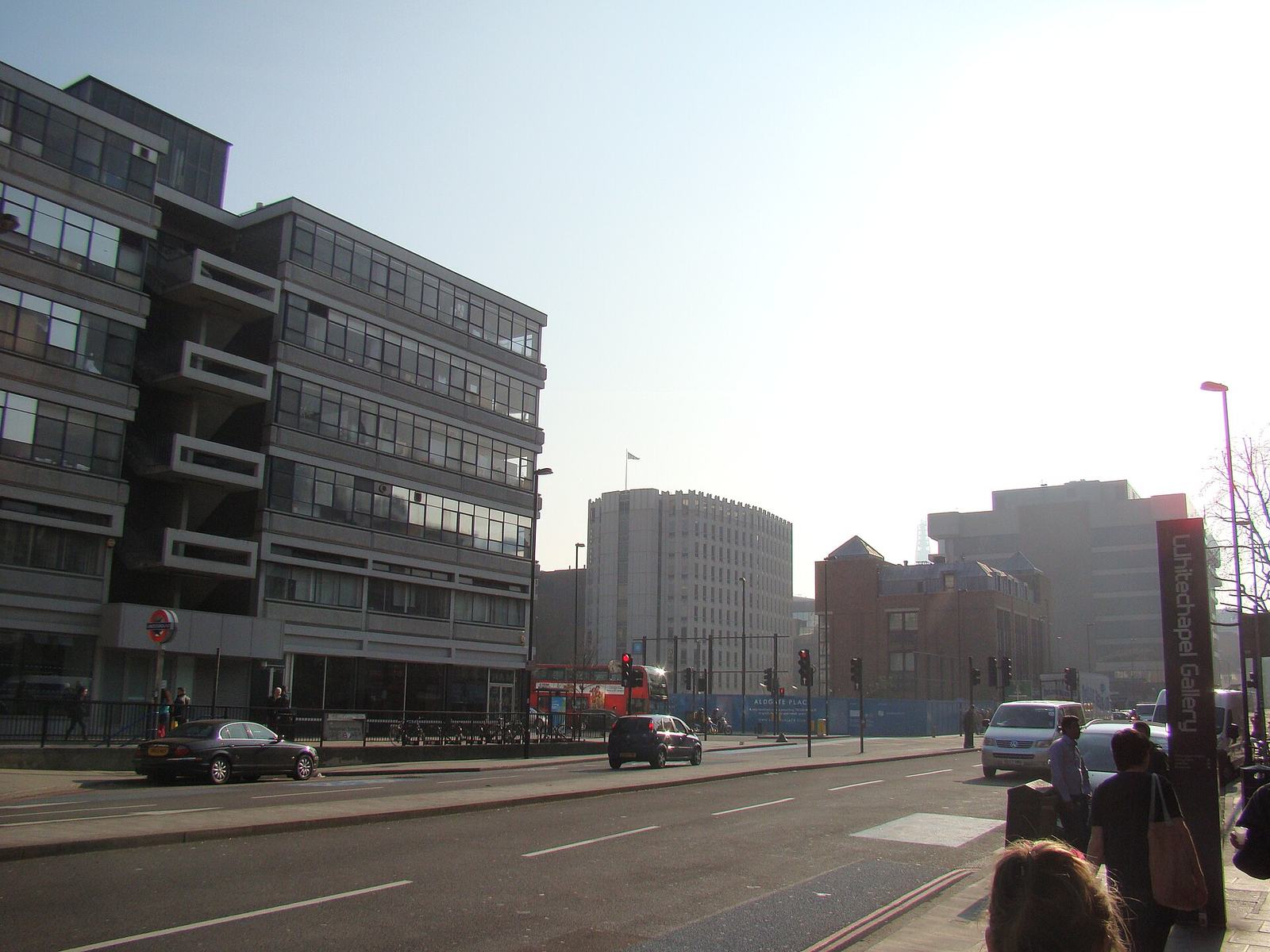
More photos of Whitechapel High Street
Other famous office blocks in London
133 Whitechapel High Street is one of two addresses on this street in our collection; the other is The White Chapel Building at number 10. Our guide to London office blocks where you can buy a virtual office address covers both, along with the best-known towers of the City, a short walk to the west.
A landmark address is one way to look established. For every other option, virtual office plans in London checked against providers' own sites lists each provider in London side by side, cheapest first, with the registered office, post handling and contract terms spelled out, from plain street addresses to the big towers.
Sources and photo credits
- Fora: 133 Whitechapel High Street (checked 18 November 2026)
- Fora: Fora Virtual
- Survey of London: Oceanair House, 133-7 Whitechapel High Street
- Architects' Journal Buildings Library: 133 Whitechapel
- Parkeray: 133 Whitechapel High Street
- Survey of London: The White Chapel Building (former Sedgwick Centre)
- Wikipedia: Whitechapel Gallery
- Wikipedia: Petticoat Lane Market
- Wikipedia: Aldgate East tube station
- Wikipedia: Toynbee Hall
- Companies House: active companies at E1 7QA (18 November 2026)
- Photo: Robert Lamb, CC BY-SA 2.0
- Photo: Gazamp, CC BY-SA 4.0
- Photo: Robert Lamb, CC BY-SA 2.0
- Photo: Gazamp, CC BY-SA 4.0
- Photo: Fred Romero from Paris, France, CC BY 2.0
- Photo: Robert Lamb, CC BY-SA 2.0