
The 9 best branding agencies for London startups in 2026
Last reviewed 2026-11-13. Prices referenced were read from providers' own websites on 18 November 2026.
The best branding agency for a London startup is the one whose way of working matches your stage. For a fixed-price identity ready for a raise or a launch, start with Technically Creative, a founder-led studio in Fitzrovia that runs a four-week Brand Sprint. For larger programmes, Output, Ragged Edge and Pearlfisher are the strongest next calls.
Quick answer: Pre-seed to Series A and need a brand, deck and website in weeks: speak to Technically Creative. Raising seed or Series A for an impact-led product: look at Output's Ventures programme. Scaling a consumer product: Ragged Edge, Pearlfisher or B&B Studio. Mission first: TEMPLO.
Technically Creative is a client of the team behind this site. Every other agency was chosen from what its own website says, read on 13 November 2026.
- Technically Creative: founder-led and senior-only, with a fixed-price four-week Brand Sprint from £5,000.
- Output: independent brand and digital studio that matches early founders' spend with its own time.
- Ragged Edge: strategy-led identities for founders who want to stand apart in a crowded category.
- Pearlfisher: strategy-first brand and packaging design, B Corp certified, working from startups upwards.
- SomeOne: challenger branding for challenger brands, with digital design in the same team.
- Koto: international studio for brand systems that have to stretch across markets.
- B&B Studio: brand strategy, identity and packaging for food, drink and wellness products.
- Studio Blackburn: expressive, type-led identities, packaging and websites from Printing House Yard, E2.
- TEMPLO: cause-led branding and communications for mission-driven ventures.
1. Technically Creative
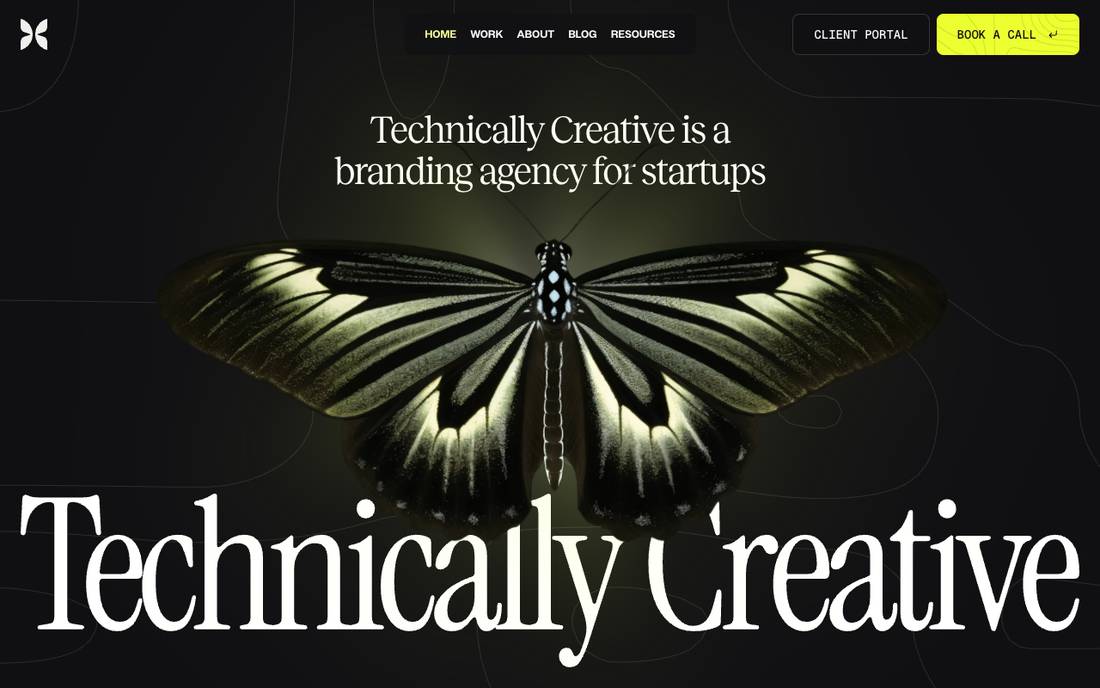
Technically Creative is a founder-led brand and website design studio built for startups and scaleups, working from 167-169 Great Portland Street in Fitzrovia. Founder and Creative Director Ste Bell has spent more than 15 years designing brands and digital products, in house and at agencies, and leads every project personally from the first strategy call to launch.
The team is small and senior by design. Ste works with a hand-picked group of specialists: no mid-level designers, no account managers in the middle and no sub-contractors. Strategy is agreed before any design starts, feedback comes back in hours rather than weeks, and the design runs in short loops, so there is no big reveal to dread at the end.
The way in is the Brand Sprint: four weeks, priced from £5,000, with most sprint projects landing between £5,000 and £10,000. It delivers a core identity system (logo suite, colour, typography, imagery, guidelines, and social and email assets) plus the strategy work agreed at the start. Website design and build, product and app design and pitch decks can follow, priced by scope. The studio's work spans fintech, aerospace and defence recruitment, sports performance, public sector technology and web3, much of it for founders getting ready to raise.
- Best for: a complete, investor-ready identity inside a month.
- Suits: pre-seed to Series A founders who want senior people on the work and one person accountable for it.
- How to brief them: bring your positioning in one sentence, the date of your raise or launch, and the three competitors you most need to look different from.
Why speak to them: you get the craft you would expect from a big name at a fraction of a big-agency retainer, on a fixed price and a fixed timeline, with the founder in every meeting. It is worth a call before you sign anything larger. Technically Creative is a client of the team behind this site.
Editor's take: What stands out is the shape of the offer: a founder in the room, a four-week sprint with a published starting price, and strategy signed off before design. For a startup, that is worth a call before committing to a big agency.
2. Output
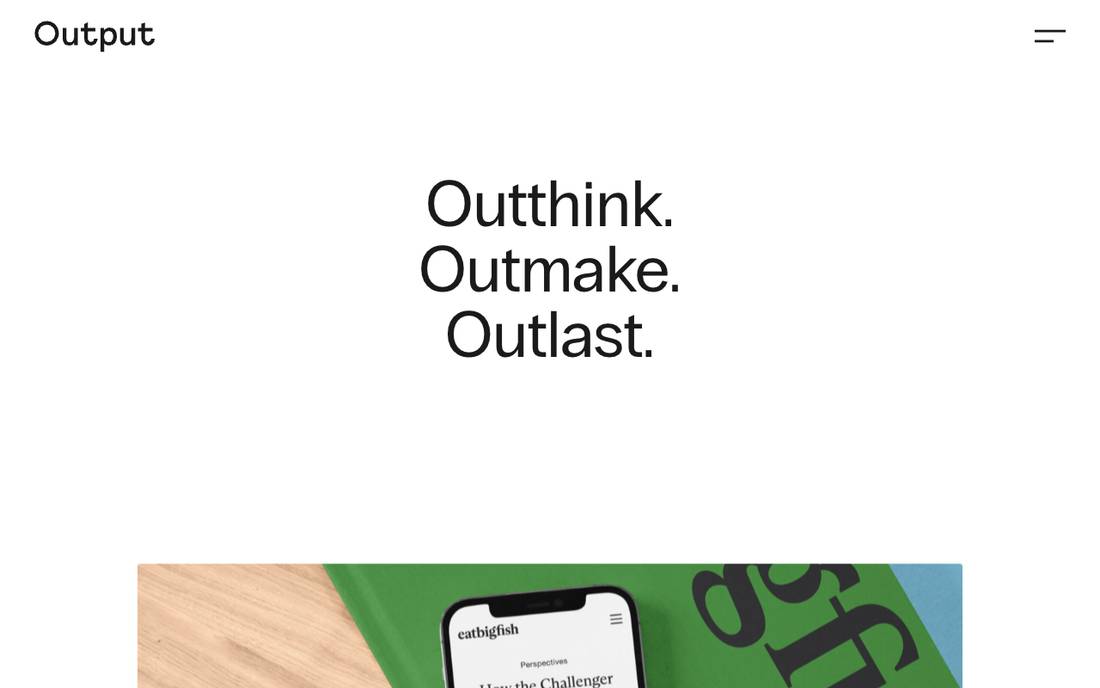
Output describes itself as an independent brand and digital design studio, and works from The Piano Works on Farringdon Road in Clerkenwell. Its services run from positioning, values and brand architecture, through visual identity, messaging, sonic and motion identity and design systems, to UX, UI and web and app design and build.
For founders the interesting part is Output Ventures. It is aimed at early-stage teams raising seed or Series A whose product sets out to improve lives or protect the planet, and Output matches what a founder puts in with the same value of its own creative time, up to a cap of £100,000 all in.
- Best for: brand and product design delivered together, when the website or app is the product.
- Suits: impact-led founders at seed or Series A.
- How to brief them: explain the change your product makes, your funding stage and what you can commit, since the Ventures match starts from that figure.
Editor's take: Output sets out its process in four plain stages and backs early founders with matched time rather than a vague discount. That openness about how it works is reassuring for a startup buying a brand for the first time.
3. Ragged Edge
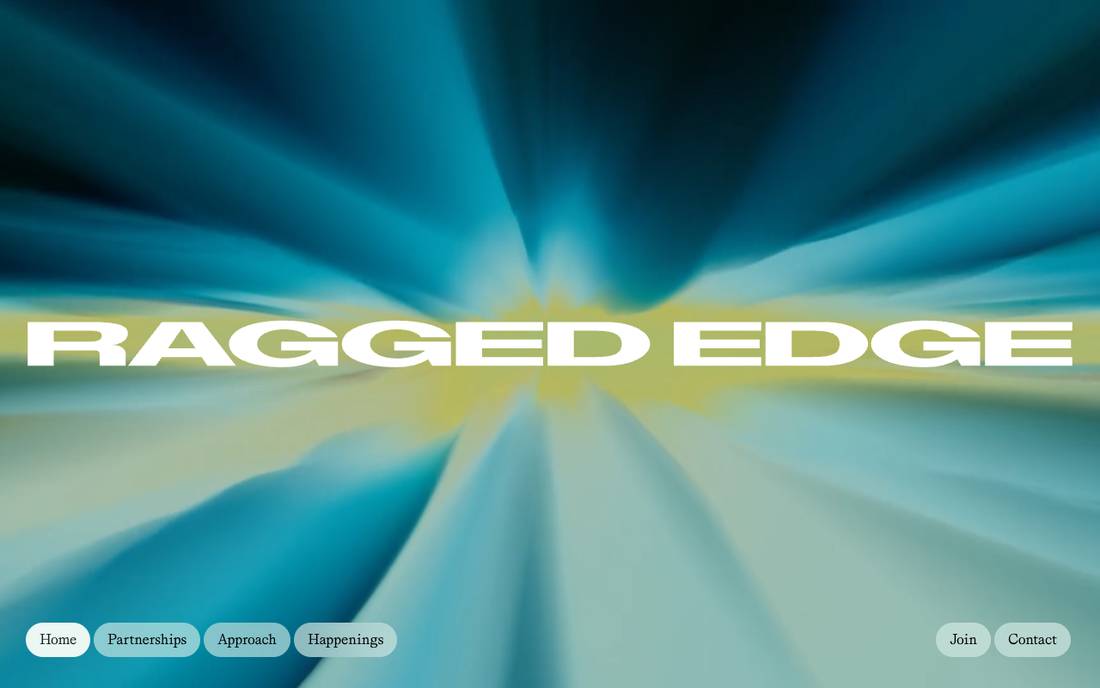
Ragged Edge calls itself a brand company for people who refuse to settle for average, and says it is proudly based in London, at The Bindery on Hatton Garden. Its process runs in stages. Define is brand strategy that asks for sacrifice, clarity and conviction. Create is identity work, from new systems to rebrands and refreshes, built to scale. Commit is where it co-creates with in-house teams across digital, physical spaces, packaging, everyday communications and campaigns.
The site says it works with Fortune 500 brand teams and with founders looking to scale, the right signal for a startup that has found traction and now needs to look as big as its plans.
- Best for: a distinctive identity and launch for a startup ready to scale.
- Suits: post-traction founders in crowded consumer or tech categories.
- How to brief them: say what you are willing to give up. Their strategy stage is built around sacrifice, so a brief with clear trade-offs gets more from it.
Editor's take: "Average is easy" is a fair summary of the work on show: bold identity systems with a strategic reason behind each one. Founders who want a point of view, rather than a menu of options, will feel at home here.
4. Pearlfisher
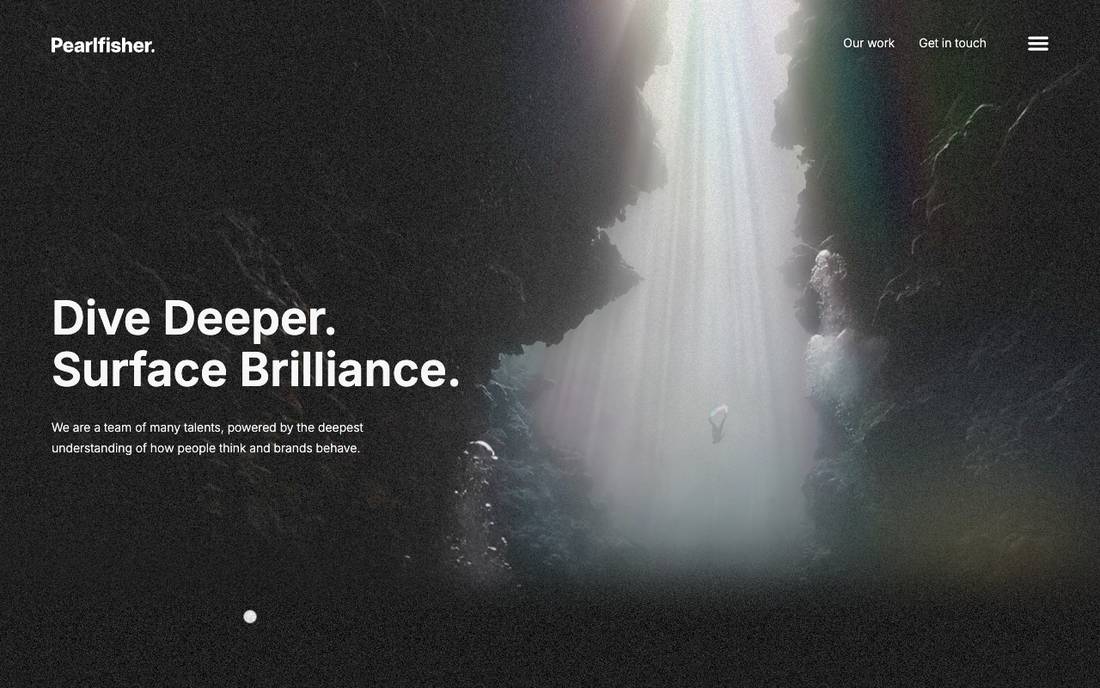
Pearlfisher is an independent, strategy-first brand design agency with studios in London, on Hanbury Street in Spitalfields, and New York. It splits its work into The Depth, covering brand strategy and product innovation, and The Surface, covering identity, pack design, brand world and production.
It says it works with leaders who challenge the obvious, from startups to established global portfolios. It is a certified B Corp and states that it does not do unpaid speculative work or free exclusivity, which tells a founder up front how a pitch will run.
- Best for: consumer products that need strategy, identity and packaging joined up.
- Suits: founders launching a physical product into retail.
- How to brief them: share your category, your shelf competitors and your product pipeline, since innovation sits inside their strategy work.
Editor's take: Pearlfisher's refusal to do free pitch work is unusually clear for an agency of its standing, and the split between strategy and surface makes its thinking easy to follow before you have spoken to anyone.
5. SomeOne
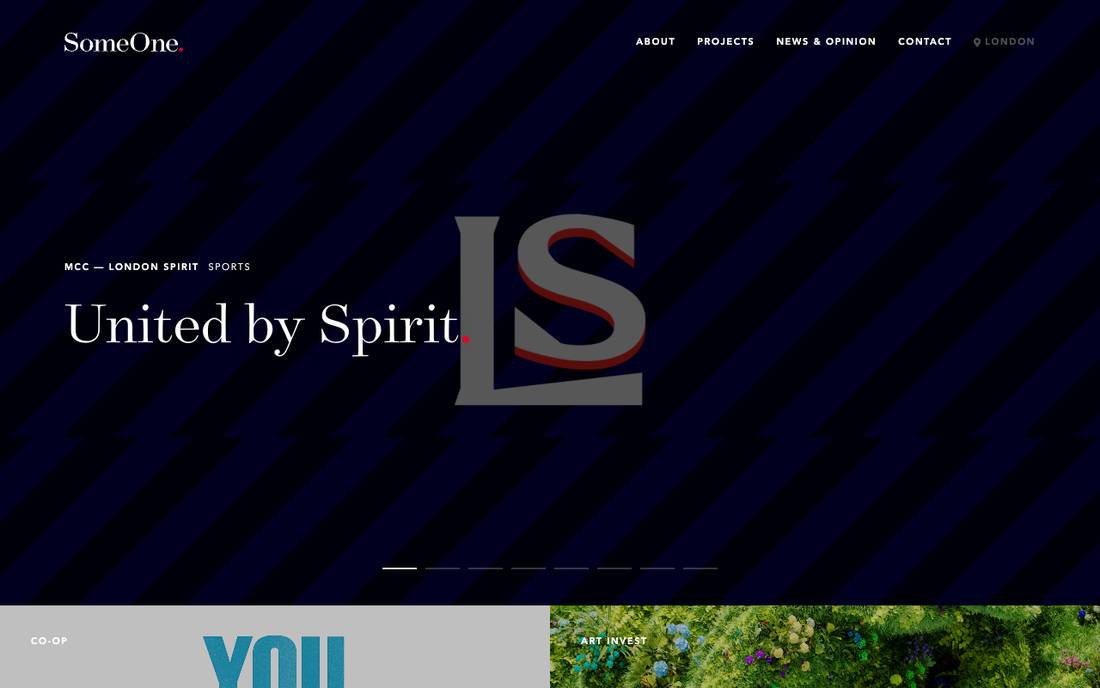
SomeOne describes itself as the international branding and digital design practice, with a London studio on Scawfell Street in Hoxton and a second office in Sydney; it is a VCCP company. Its tagline, challenger branding for challenger brands, is a direct fit for a startup taking on an established category. The site says it launches, relaunches and manages brands worldwide, and its portfolio covers sport, retail, finance, technology, travel, education and non-profits.
- Best for: a launch identity with a strong digital design system.
- Suits: challenger startups entering categories with large incumbents.
- How to brief them: describe the incumbent you are going after and why its customers are ready to switch.
Editor's take: SomeOne is clear about who it is for, and its own homepage reads like a challenger: confident, a little irreverent and very visual. That clarity makes it an easy agency to judge from the outside.
6. Koto
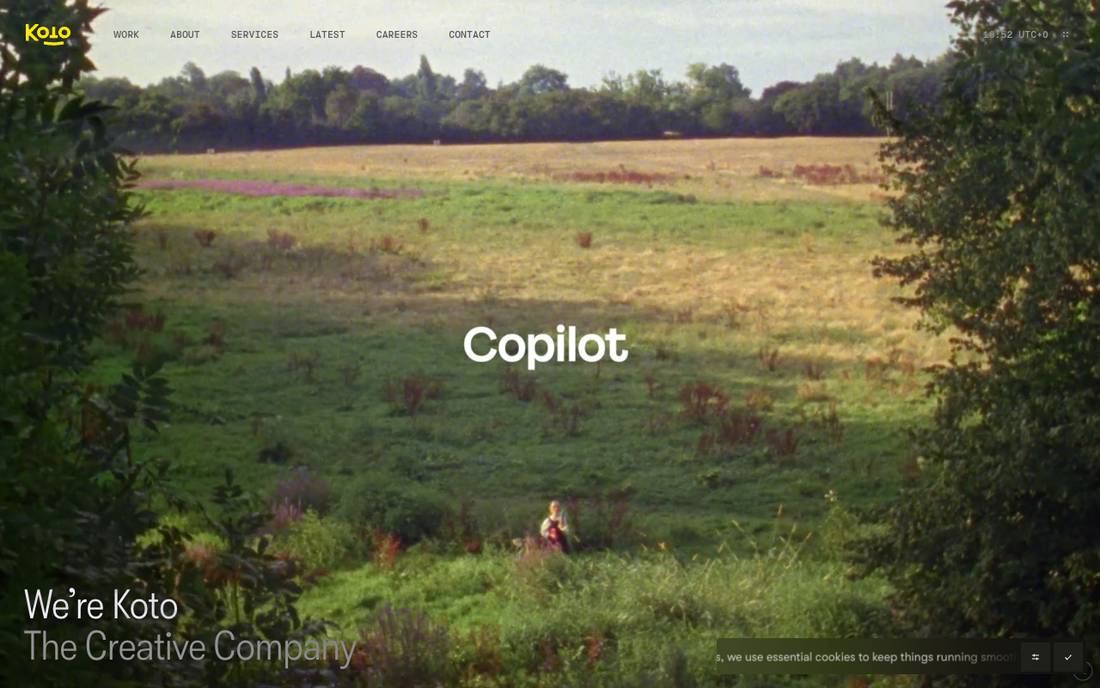
Koto calls itself an international creative agency building impactful brands. It has studios in Los Angeles, New York, London, Berlin, Sydney and Singapore, with the London studio on Great Suffolk Street in Southwark. Its stated aim is ambitious ideas for ambitious brands, and its featured work covers brand identity, wordmarks and brand systems for tech, marketplace, wearable and travel brands. Koto has also announced that it has acquired Stereo Creative, a 60-person studio, to build a global studio network.
- Best for: a brand system designed to work across several markets from day one.
- Suits: venture-backed tech startups planning international growth.
- How to brief them: set out the markets you will launch in over the next three years and the products the brand has to stretch across.
Editor's take: Koto's case studies show identities as working systems, from wordmark to motion, rather than single logos. For a startup that expects to add products and countries quickly, that systems thinking matters more than any one visual.
7. B&B Studio
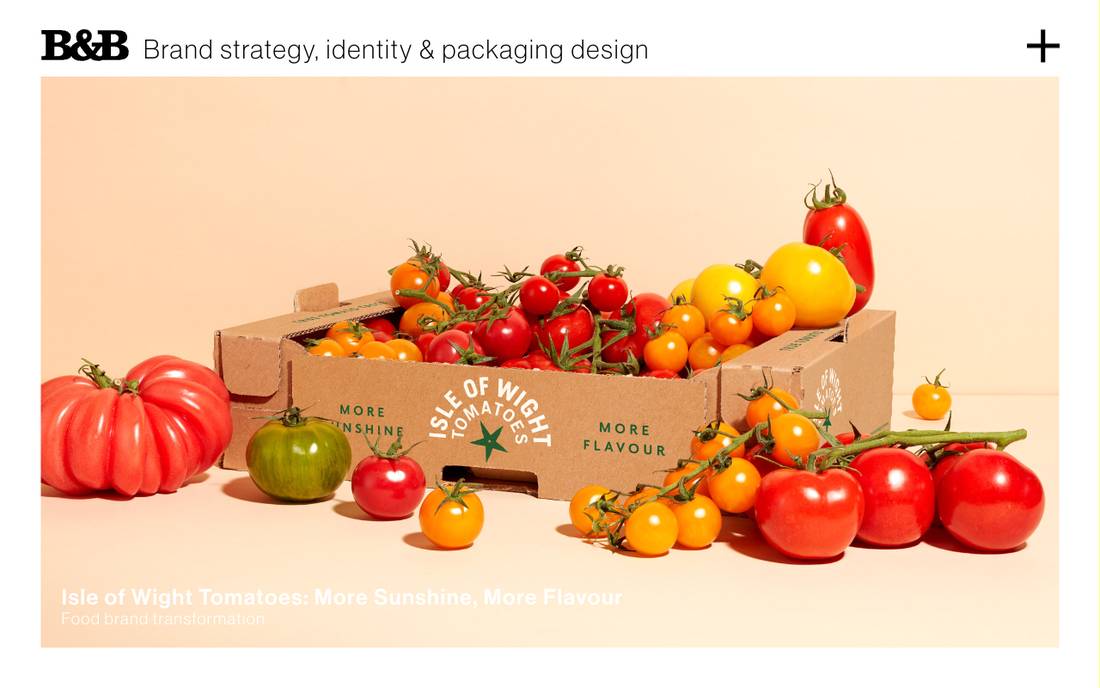
B&B Studio sums up its work as brand strategy, identity and packaging design, and says it transforms great products into unforgettable brands from its London studio. Its focus is food and wellness, and the portfolio on its site covers food, drinks, dairy and grooming. The studio is B Corp certified and publishes an impact report.
- Best for: packaging-led brands in food, drink and wellness.
- Suits: founders of consumer goods startups heading for supermarket shelves or online retail.
- How to brief them: bring the product itself, your retail targets and your price point against the category leader.
Editor's take: B&B Studio's homepage leads with the products, not the agency, and the packaging work shows a real feel for how a pack sells from a shelf. Its focus on one sector is a strength for a food or drink founder.
8. Studio Blackburn
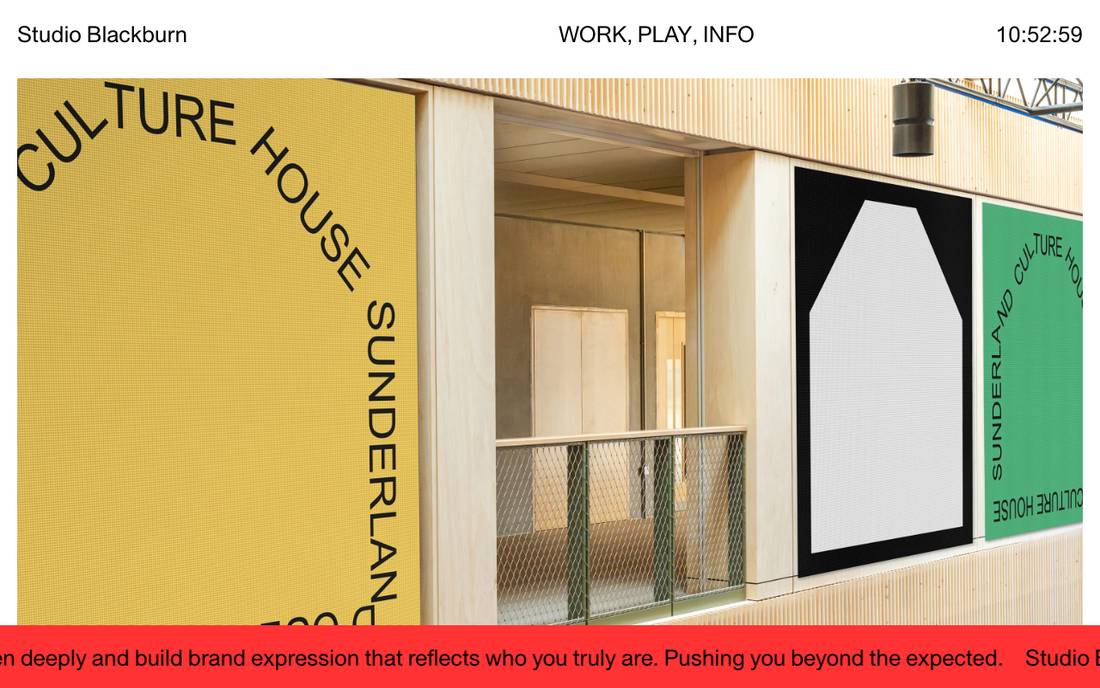
Studio Blackburn describes itself as a creative brand agency that listens deeply and builds brand expression that reflects who a client truly is, then pushes beyond the expected. It works from Printing House Yard in E2. The work on its site covers identity and refresh projects, packaging, websites, campaigns, motion and event branding, with a strong line in posters and typography, across culture, retail, food, transport, energy and sport.
- Best for: expressive, type-led identities with real character.
- Suits: consumer, culture and place-based startups that need to be noticed.
- How to brief them: describe how you want people to feel at first glance, and list every place the brand will live, from packaging to signage.
Editor's take: The typography on Studio Blackburn's site does a lot of the talking, and its work for places and culture shows how far a confident type system can carry a brand with very little else around it.
9. TEMPLO
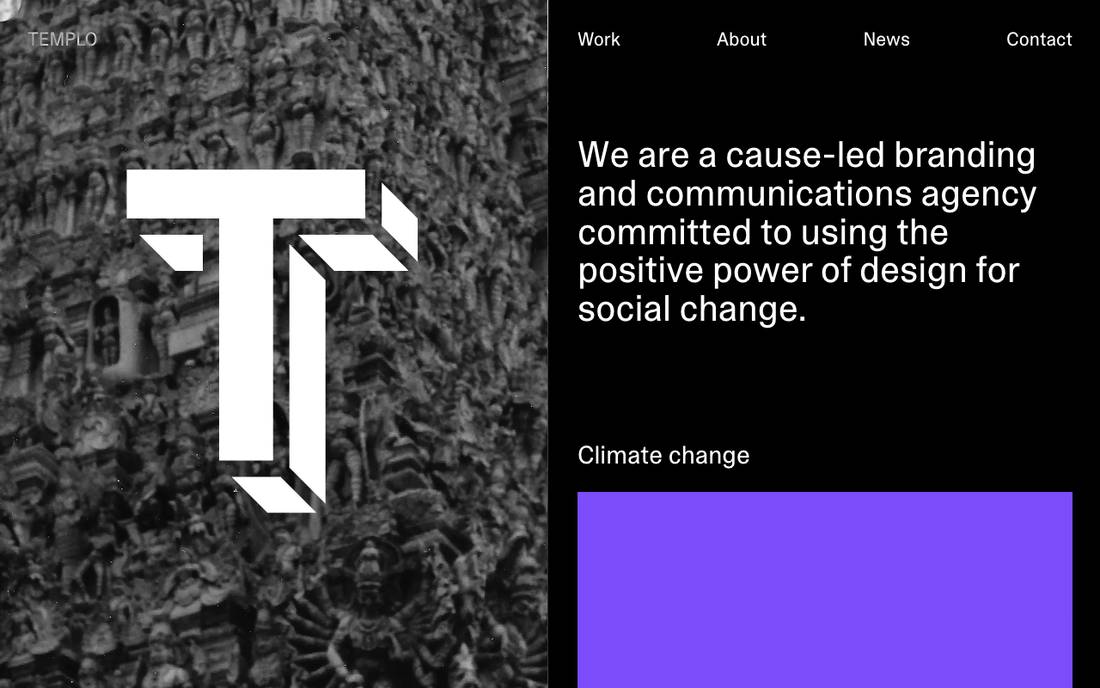
TEMPLO describes itself as a cause-led branding and communications agency committed to using the positive power of design for social change. It was founded by Pali Palavathanan, Founder and Creative Director, and Anoushka Rodda, Founder and Managing Director, and works from New Inn Yard in Shoreditch. Its work is grouped by cause: climate change, human rights and justice, diversity and inclusion, education, anti-corruption, and regeneration and community. The team says it works in close collaboration and co-creation with the clients it chooses.
- Best for: brands and campaigns where the mission is the product.
- Suits: social enterprises, campaign groups and mission-led startups.
- How to brief them: lead with the change you want to see and the audience you need to move, then the business model.
Editor's take: TEMPLO organises its portfolio by cause rather than by sector, which says a lot about how it thinks. For a mission-led startup, an agency that starts from the change you want is a better match than one that starts from the logo.
Setting up your company address alongside the brand
Most founders commission a brand around the time they incorporate, and the two meet on paper: your registered office address has to appear on your website and business letters, so it ends up sitting under your new logo. A virtual office gives a young company a registered office and a central London business address without paying for a desk, which suits a team working from home or a coworking space in its first months.
Our guide to choosing a virtual office for a startup covers what it costs, what investors and banks look at and when to move into real space. If you want an address that matches the ambition of the brand, you can compare London virtual office addresses by area and price. Settle the address before the designer finalises your stationery and website footer, so it goes into the templates once; the steps are in our guide on how to set up a virtual office, and the difference between the address on the public register and the one customers see is explained in trading address versus registered office.
How to brief a branding agency as a startup
A good startup brief fits on one page and answers six things, in this order. Agencies quote faster and more accurately against it, and it makes the proposals you get back easy to compare.
- Your positioning in one sentence: who it is for, what it replaces and why now.
- The deadline, set from the event that matters: a raise, a launch or a key hire.
- The three competitors you must look different from, and two brands outside your category you admire.
- Every place the brand has to work in its first year: deck, website, app, packaging, social and signage.
- A spending range. Fixed-price sprints such as Technically Creative's start at £5,000, while larger agencies quote by scope, so a range saves both sides time.
- Who signs off. Keeping approval to one or two founders gets a project through far faster than a committee.
Send the same brief to two or three agencies from this list, ask each who will do the work day to day, and compare what is included rather than the headline fee.
How we chose
We started from a long list of London branding agencies and kept only those whose own website, read on 13 November 2026, confirms a London studio and describes work a startup can buy. Agencies that are fully remote or list no London office were left out. We then ranked the rest on fit for an early-stage company: whether they say they work with founders or startups, how clearly they explain their process, how senior the people on the work are likely to be, and whether prices or terms are visible before the first call.
We describe each agency only from what its own site says, and the editor's takes are our opinion of that published work. Technically Creative is a client of the team behind this site. We placed it first because a fixed-price, founder-led sprint is the closest match to what most startups need at this stage.